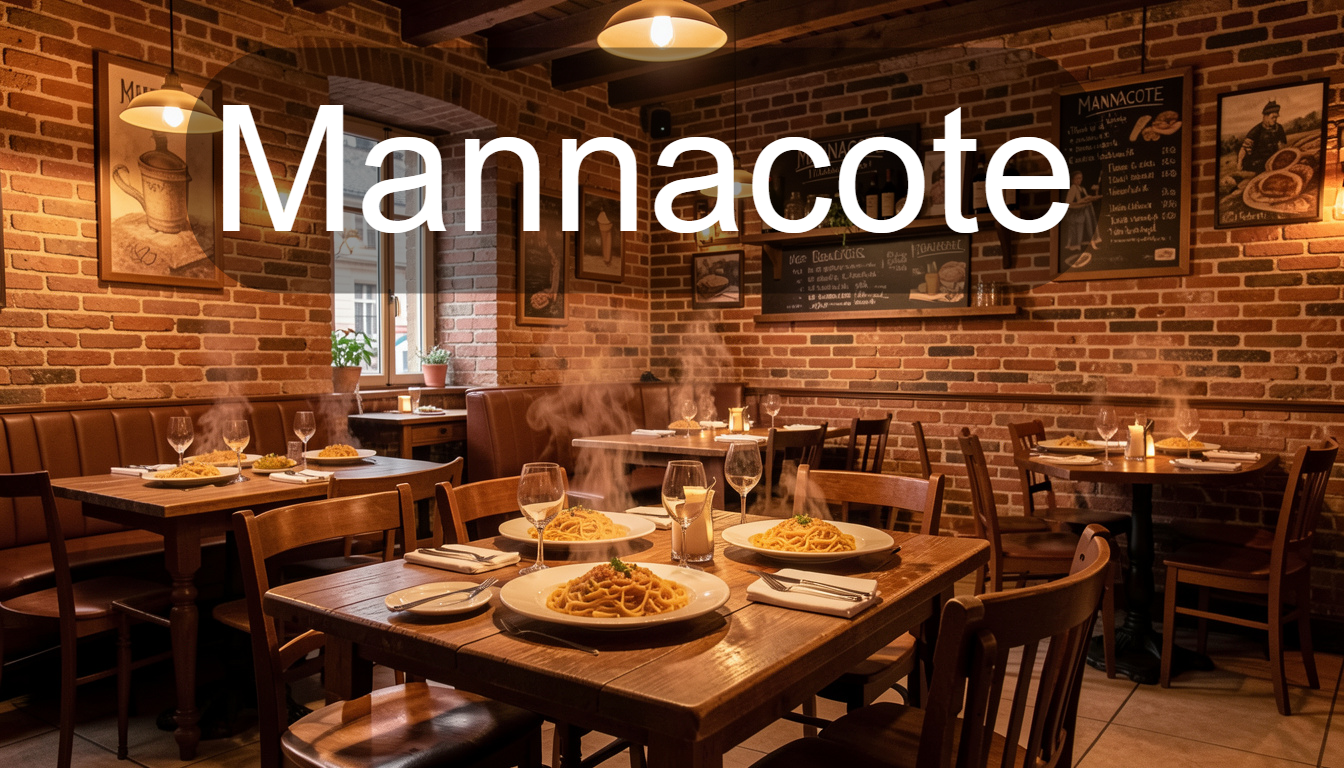
Mannacote: Italian Food to Industrial and Agricultural Innovation
Mannacote has begun appearing across multiple domains, leaving many readers curious about its meaning. Is it a creative twist on the classic Italian dish manicotti, a brand of industrial surface coating, or a slow-release fertilizer used in modern agriculture? Surprisingly, the answer is all of the above. The term has evolved to represent comfort food, technological innovation, and sustainable farming solutions, depending on the context in which it appears.
Understanding the Origins and Multiple Meanings of Mannacote
It is an intriguing modern term that blurs linguistic, culinary, and industrial boundaries. Its origins are not formally recorded in classical culinary texts or industrial patent databases, which adds to the curiosity surrounding it. Depending on context, it may refer to:
- Culinary: A variant of the classic Italian-American pasta dish manicotti.
- Industrial: A brand or product used in surface coating technologies.
- Agricultural: A controlled-release fertilizer designed for sustainable farming.
Understanding Mannacote requires recognizing these three layers. In a food context, it evokes comfort, tradition, and creativity. In industrial or agricultural contexts, it represents protection, efficiency, and environmental sustainability. This multifaceted identity makes it a fascinating case study of how a single term can evolve across disciplines.
Mannacote in Culinary Arts
Connection to Manicotti
The culinary interpretation of it is most commonly understood as a variation or phonetic adaptation of manicotti, the classic Italian-American stuffed pasta dish. Manicotti involves large tubular pasta shells filled with ingredients such as ricotta cheese, mozzarella, spinach, or seasoned meats, baked under a rich tomato or béchamel sauce.
It, as a term, might have emerged due to regional dialects, family pronunciations, or branding adaptations that aimed to distinguish one version of the dish from another. Linguistically, this shift from “manicotti” to “mannacote” is an example of orthographic drift, where traditional culinary names adapt to new cultural or marketing contexts.
Interestingly, some chefs also use “Mannacote” to describe pasta shells with a light semolina coating. This minor innovation improves sauce adhesion while subtly connecting the culinary product to the concept of coating, hinting at its industrial namesake.
Ingredients and Flavor Profile
At its core, it is defined by the harmonious combination of pasta, creamy fillings, and flavorful sauces. A typical recipe includes:
- Pasta shells or tubes: Large, firm pasta to hold the filling.
- Cheese-based filling: Ricotta, mozzarella, and Parmesan cheeses provide creaminess and depth of flavor.
- Vegetables: Spinach, mushrooms, zucchini, or other seasonal vegetables can add nutrition and freshness.
- Sauces: Marinara, béchamel, or cream-based sauces bring moisture and flavor.
- Herbs and seasonings: Fresh basil, parsley, nutmeg, salt, and pepper for aromatic balance.
The result is a dish that combines creamy texture, baked richness, and the satisfying bite of al dente pasta, appealing both to the palate and the senses.
Preparation and Cooking Techniques of Mannacote
Preparing Mannacote requires careful attention to technique to ensure optimal texture and flavor:
- Partial pasta boiling: Cooking pasta slightly under al dente ensures it maintains shape during baking.
- Mixing fillings: Ricotta, mozzarella, spinach, egg, and seasonings are blended to a smooth yet firm consistency for easy stuffing.
- Stuffing shells: Using a piping bag or spoon, fillings are carefully inserted into each pasta tube.
- Layering and baking: The pasta is arranged in a baking dish with sauce, topped with additional cheese, and baked at 375°F (190°C) until bubbling and golden.
Variations allow flexibility for dietary preferences, including vegetarian, gluten-free, or high-protein adaptations.
Creative Uses and Modern Twists of Mannacote
Its versatility allows for endless experimentation:
- Fusion dishes: Mannacote tacos with shrimp or grilled vegetables provide a playful twist.
- Desserts: Sweet Mannacote drizzled with chocolate and topped with berries illustrates its adaptability beyond savory dishes.
- Nutritional fortification: Pasta can be enriched with plant protein blends or fortified flours, merging comfort food with functional nutrition.
Cultural Significance
Beyond taste, it represents emotional and cultural connections. It is often associated with family gatherings, home-cooked meals, and traditions passed down through generations. The dish’s aroma, warmth, and heartiness evoke memories and a sense of belonging, making it a quintessential comfort food.
Mannacote in Industrial Applications
Outside the kitchen, it has gained recognition as a branded industrial coating. These coatings are used to protect surfaces and enhance durability across a variety of sectors, including automotive, marine, and construction industries.
Technical Details of Coatings
Industrial Mannacote coatings typically combine polymers such as polyurethane, acrylics, or hybrid blends, often enhanced with nanoparticles to improve performance. Key attributes include:
- Corrosion resistance: Protects metal surfaces from rust and chemical damage.
- UV stability: Preserves color and prevents degradation from sunlight exposure.
- Chemical resistance: Offers protection against solvents, acids, and other aggressive agents.
- Enhanced adhesion: Works on multiple substrates, including metals, composites, and ceramics.
Benefits and Use Cases
Mannacote coatings extend the lifespan of machinery, pipelines, and automotive parts, reduce maintenance costs, and ensure long-term performance under challenging environmental conditions. By investing in high-quality coatings, industries can achieve sustainability goals while minimizing resource consumption.
Challenges and Considerations
While industrial coatings provide numerous benefits, proper application is essential. Issues such as poor adhesion, incorrect mixing ratios, or environmental factors can affect performance. Manufacturers and users must adhere to ISO and ASTM standards to ensure optimal results.
Mannacote in Agriculture
In agriculture, it is associated with controlled-release or slow-release fertilizers. These products are designed to deliver essential nutrients gradually, improving plant growth and minimizing environmental impact.
Mechanism and Technology
Mannacote fertilizers use biodegradable coatings to encapsulate nutrients such as nitrogen (N), phosphorus (P), and potassium (K). This controlled-release mechanism allows plants to absorb nutrients when needed, reducing waste and supporting sustainable farming practices.
Typical release durations include:
| Fertilizer Type | Release Duration | Primary Nutrients | Ideal Use |
| N | 45–60 days | Nitrogen | Turf & ornamental plants |
| NP | 90 days | Nitrogen & Phosphorus | Agricultural crops |
| All Season | 120 days | Balanced NPK | Landscaping & long-term growth |
Benefits
Mannacote fertilizers provide consistent plant growth, reduce nutrient runoff, and decrease the frequency of applications. This aligns with modern precision agriculture techniques, allowing farmers to optimize resource use while protecting the environment.
Ideal Applications
- Turf and ornamental plants
- Field crops and horticultural plants
- Landscaping and urban gardening projects
Challenges and Risks of Mannacote
Controlled-release fertilizers require precise calibration to prevent over- or under-fertilization. Users should always verify product certifications, understand soil characteristics, and follow supplier guidelines to maximize benefits.
Comparing Mannacote Across Domains
| Term | Category | Primary Meaning | Usage Context |
| Mannacote | Ambiguous | Pasta, coating, or fertilizer | Culinary, industrial, agricultural |
| Manicotti | Food | Stuffed pasta tubes | Italian cuisine |
| Cannelloni | Food | Similar stuffed pasta, fresh sheets | Mediterranean cuisine |
| Coating | Industrial | Surface protection system | Engineering / manufacturing |
| Fertilizer | Agricultural | Coated nutrient product | Horticulture / crop science |
Context determines the meaning. Culinary terms are edible, while technical terms appear in manuals, datasheets, or product catalogs.
Searching and Purchasing Mannacote
Depending on your interest, these products can be found in:
- Culinary: Italian grocery stores or online platforms like Amazon, Eataly, and Walmart.
- Industrial: Manufacturers or distributors via B2B platforms like Alibaba or ThomasNet.
- Agricultural: Agricultural supply stores, specialty marketplaces, or online fertilizer retailers.
Using precise search terms such as “Mannacote pasta recipe” or “Mannacote coating datasheet” helps refine results and ensures relevance.
Risks, Challenges, and Common Misconceptions
- Culinary: it is often mistaken for a completely new Italian dish. It is typically a creative variation of manicotti, safe when prepared traditionally.
- Industrial: Misapplication can lead to coating failures; strict adherence to ISO/ASTM standards is essential.
- Agricultural: Over- or under-application of controlled-release fertilizers can affect nutrient efficiency and crop performance.
Verification of supplier credibility, product certifications, and technical documentation is critical across all domains.
Conclusion
Mannacote is a remarkable example of a term bridging food, technology, and agriculture.
- In culinary contexts, it offers comfort, creativity, and family tradition.
- In industrial applications, it represents protection, durability, and innovation.
- In agriculture, it supports sustainable farming practices and efficient resource use.
By understanding context, readers can navigate recipes, product specifications, and technical manuals with clarity. It demonstrates that a single name can carry multiple meanings, connecting heritage, progress, and sustainability in one concept.
Whether enjoyed as a rich pasta dish, used to protect machinery, or applied to nurture plants, it embodies versatility, ingenuity, and timeless value.
Faqs About Mannacote
How is Mannacote pasta different from traditional manicotti?
While its pasta is inspired by manicotti, it may feature creative variations such as different fillings, coated pasta shells for better sauce adherence, or modern nutritional fortifications. The name itself may also reflect regional or family adaptations over generations.
Can these coatings be used on any surface?
Mannacote industrial coatings are designed for metals, composites, and ceramics, but proper surface preparation and application are essential. They provide corrosion resistance, UV protection, and chemical stability, making them ideal for automotive, marine, and construction applications.
What are the benefits of fertilizers?
Fertilizers use a slow-release mechanism that provides essential nutrients gradually, reducing waste and environmental impact. Benefits include consistent plant growth, fewer applications, and enhanced nutrient absorption, supporting sustainable farming practices.
Where can I buy products?
Pasta or culinary products can be found in Italian grocery stores and online marketplaces like Amazon, Eataly, or Walmart. Industrial coatings are available from B2B suppliers or manufacturer distributors, while fertilizers can be purchased through agricultural supply stores or specialty online retailers.